The Rise and Fall of Love Island
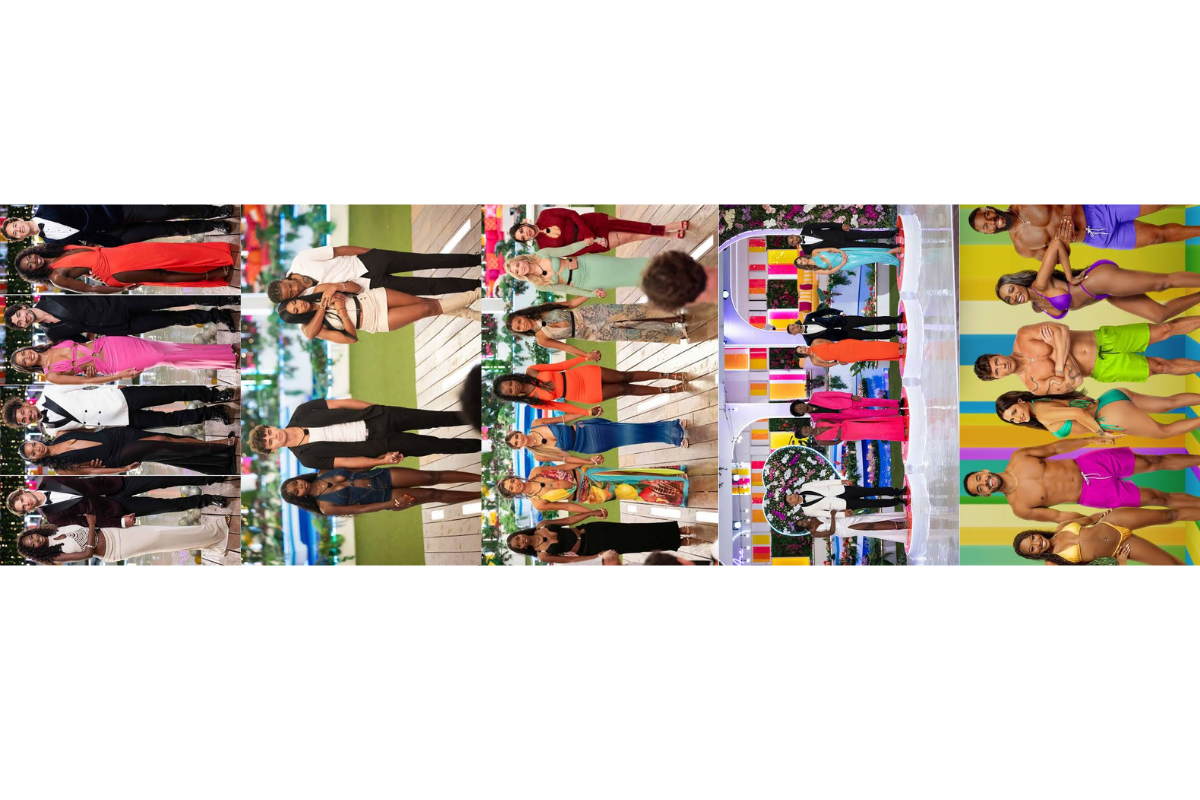
The Rise
The year is 2024 and the internet is exploding with clips from a little known reality show called Love Island. Interested parties download Peacock to find that there are not 8 or 10 episodes to catch up on, but nearly 30 — shows uploaded almost daily with an hour of non-stop relationship drama featuring some of the most beautiful people you’ve ever seen. You’re compelled to watch nightly, to catch the plays and antics before they disseminate across social media like a nightly sports recap. Add to that a setting worthy of any beach read and it’s easy to see why the show is so addictive.
But the romance novel commonalities — tropical locale, beautiful characters, dreamy dates and friends to lovers tropes — end there, because unlike in your favorite Kennedy Ryan read, viewers get to narrate and determine the plot with almost unparalleled power.
The viewer-voter model is not new. Shows like American Idol and So You Think You Can Dance have used it for years. But usually, viewers are voting on a talent, something that can be performed, sold, awarded. Love Island, is the first dating show I’ve seen where viewers are trusted to vote on something as personal and intangible as compatibility — a model that’s a little bit disturbing if you think about it too deeply.
It’s the voyeurism of social media played out on a world stage, bringing para-social relationships to a frenzy that has reportedly been detrimental to more than one of the cast members. Overnight, people who lived normal lives are catapulted into fame and scrutiny, not based on a talent, but simply for the purported desire to find love.
On the one hand, it’s easy to see why — social media, which was initially marketed as a way to increase connections and find your people, has actually made it harder for people to find love — whether romantic or platonic. Love Island, a social media free paradise, shows people building lasting connections, both platonic and romantic, in a way that younger generations are starving for.
I learned of Love Island through social media like most of the rest of the world. I saw viral edits of Serena and Kordell, season 6’s winners, their epic fight scene on the dock, and re-coupling and I had to learn more.
That season created genuine stars. The love, both romantic and filial, was undeniably real. Viewers were enamored with the friendship of Serena, Leah and Jenae, more affectionately known as PPG (Power Puff Gang), their authenticity and unwillingness to play nice simply to placate the cameras. It was their realness that sold us. There was nothing politically correct about Leah’s confessionals about Rob or Serena’s epic fight with Kordell. There was nothing fake about how Serena checked Jenae for being thirsty at times or loved on her when different connections tried to humiliate her. Their authenticity sold the show. Ironic that realness would be the very thing that would ruin it.
Following the success of Season 6 — a global phenomenon with viewership surpassing Emmy Winning series — Love Island producers did what most in a capitalistic system try to do — they tried to replicate their success.
Enter the cast of season 7.
The Fall
Almost immediately it evident that something was off. It wasn’t just that in the casting producers were clearly trying to recreate certain successful archetypes — the slow-burn black couple, the spicy middle eastern girl, the trio of girl friends — it was that the cast members themselves seemed to be playing into the roles — and badly.
Rather than authentic interactions and real chemistry, it felt like emotional instability and forced connections. And when the faking became evident, because lets face it, none of these people are real actors, the internet decided to take things into their own hands — staging removal campaigns that resulted in more than one cast member being booted off the show.
It was clear from the beginning that viewers had a higher level of input in this show than in other dating shows, but season 7 revealed that viewers didn’t just have input, they had control. And they weren’t afraid to abuse it.
But despite these clear shortcomings, the show retained its addictive nature. Even as certain interactions appeared engineered or even toxic, we as viewers still wanted to know what happened. The drama between the girls, the souring of core couples, and the crowd sourcing of #Nicolandria still made for great drama, even as it became clear that Love Island had lost the plot — the love was gone.
Now we’re at the end of summer 2026. Season 8’s reunion is about to air and even though I’ll likely be watching that, I probably won’t be watching this show again.
Season 8 did a valiant effort of trying to redeem itself. We saw budding lifelong friendships forming, endearing relationship moments and fell into multiple moments of cultural debate. But still, the show failed to be what it was intended — a place for young people to find real love. Instead, we saw rampant colorism, villainization, manipulation and abuse. The cast was all in too young for the visibility and scrutiny the show would bring — which is undoubtedly part of the reason they were cast. It’s hard to get someone with a fully developed frontal cortex to sign up for the humiliation ritual that is standing at a fire pit while the boy you like walks in with someone else.
More than shipping actual connections — viewers were rooting for their favorite characters and voting for connections that were at best tenuous. Instead of watching a sweet romance with spurts of funny drama, viewers were watching severe emotional disruption and in certain moments abuse. The only thing I was left thinking is that every one of them needs therapy.
There is hope for future seasons. Undoubtedly they will continue, even if there’s no real love left because the money is still there.
We’ll likely continue to see beautiful girls getting cast and hard launching into successful influencer careers (though I doubt there will be many more Leahs or Olandrias). Hopefully we’ll get to see black boys getting genuine love and not objectification or worse villainization. They deserve that. I’m also hoping to see more healthy cross cultural relationships — both romantic and platonic — and producers with the cultural knowledge and sensitivity to avoid casting people who are problematic in the first place, instead of removing them after production has begun.
Anyway, it was good while it lasted. If you still care, the reunion is streaming on Peacock starting Monday, August 31.